
Vestibular Physical Therapy in Midlothian, VA
Stop Living Around Your Dizziness
People come to us when dizziness, vertigo, or balance problems are affecting their confidence, their driving, or their ability to move through the day without fear. Many have been told their imaging is normal or have bounced between specialists without a clear plan. Our approach focuses on identifying the underlying cause of symptoms through a thorough assessment and creating a targeted treatment plan designed to restore confidence, stability, and quality of life.
When Dizziness and Vertigo Keep Going Without a Clear Explanation
Dismissed Without a Real Diagnosis
It is common for vestibular patients to be told their tests came back normal, then sent home without a clear plan. Without a provider who specializes in vestibular assessment, the underlying cause often goes unidentified — and the symptoms continue.
Avoiding More Each Day
Dizziness and balance problems tend to shrink life. Patients stop driving, avoid social situations, reduce physical activity, and gradually lose confidence. That avoidance can compound the problem over time — vestibular systems benefit from carefully structured movement, not rest.
Not Knowing Where to Turn
Vestibular PT is an underrecognized specialty. Many patients don’t know it exists, or have been referred through multiple specialties without being directed to a PT with the right training. If this sounds familiar, Uplift may be the step that finally moves things forward.
What Makes Uplift Different for Vestibular Care
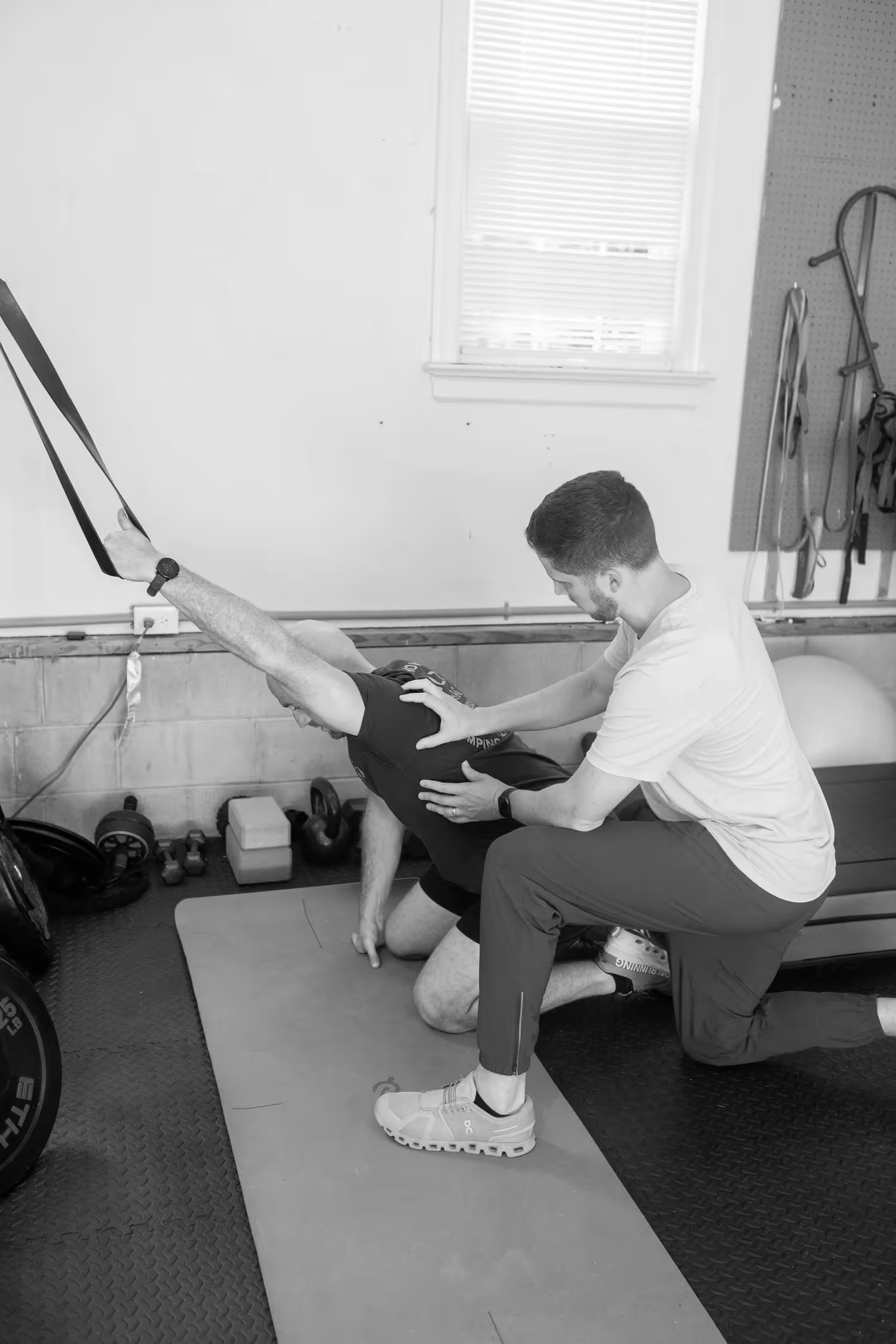
Vestibular treatment at Uplift includes canalith repositioning for BPPV, vestibular habituation exercises, gaze stabilization training, oculomotor and VOR therapy, dynamic visual acuity testing, and Dix-Hallpike positional assessment — all delivered in one-on-one sessions with your Doctor of Physical Therapy.
.webp)


Conditions We Commonly Address
If you’ve been told everything looks normal but you still feel off — or if vertigo, imbalance, or brain fog is affecting your independence — a vestibular evaluation with a specialized physical therapist may be the most useful thing you haven't tried yet.
Vertigo and BPPV
General dizziness and persistent imbalance
Post-concussion dizziness and vestibular symptoms
Brain fog and fatigue related to vestibular dysfunction
Oculomotor and visual tracking difficulties
Fall risk and balance decline in older adults
Tinnitus as a vestibular-related symptom
Unexplained dizziness following a normal workup
Getting Started Is Simple
Free 15-Minute Phone Consult
A brief call with our team to learn about your situation, answer your questions, and confirm that Uplift is the right fit before you commit to anything.
90-Minute In-Person Evaluation
A thorough, deliberate evaluation to identify the factors driving your condition of what you're dealing with and build a personalized plan of care around your goals.
Personalized 60-Minute Sessions
One-on-one follow-up sessions focused on reducing symptoms, progressing your plan, and giving you the tools to stay well long after you're done with formal PT.
What Our Patients Are Saying
Hear from patients who came to Uplift after being told everything looked normal.


Frequently Asked Questions
Common questions about vestibular physical therapy at Uplift.
Can physical therapy actually help with dizziness?
For many types of dizziness — particularly BPPV, vestibular hypofunction, and post-concussion vestibular symptoms — physical therapy is an effective and evidence-supported treatment. The key is an accurate assessment to determine the type of vestibular dysfunction. Your physical therapist conducts a comprehensive vestibular evaluation before developing a treatment plan.
What is vestibular PT and how is it different from regular PT?
Vestibular Rehabilitation Therapy (VRT) focuses specifically on the inner ear system, its connections to vision and balance, and how disruptions to that system cause dizziness, instability, and related symptoms. It requires specialized assessment tools and techniques that are distinct from standard orthopedic PT — including repositioning maneuvers, gaze stabilization training, and VOR exercises.
How do I know if my dizziness is vestibular-related?
A clinical evaluation is the best way to determine whether your dizziness has a vestibular origin. Your physical therapist uses a structured assessment — including Dix-Hallpike testing, VOR screening, and dynamic visual acuity — to identify whether vestibular dysfunction is contributing to your symptoms and whether PT is an appropriate next step.
Do you treat post-concussion symptoms?
Yes. Post-concussion vestibular symptoms — including dizziness, brain fog, visual disturbance, and balance problems — are a clinical focus at Uplift. Your physical therapist conducts a vestibular concussion screening and develops a structured plan to address the specific symptoms affecting your daily function and recovery timeline.
Do you accept insurance for VRT?
Uplift is out of network with commercial insurance and collects payment at time of service. We accept credit card, HSA/FSA, and check. A superbill can be provided for potential out-of-network reimbursement. Uplift is in network with Traditional Medicare and Medicare Supplemental Plans.
Ready to Finally Get Some Answers?
Start with a free 15-minute phone consult with our team. We'll help you determine whether vestibular physical therapy is the right next step — before you commit to anything.